
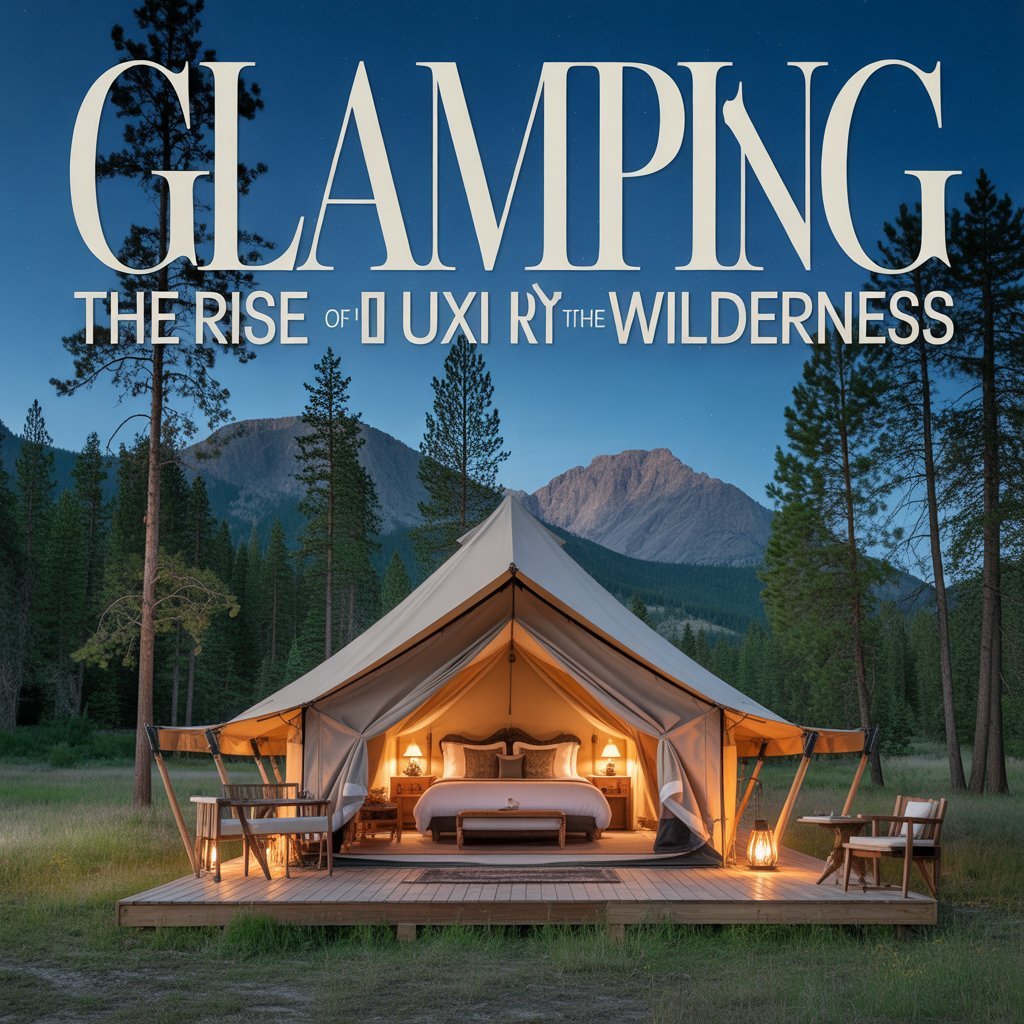
For decades, vacationers have been split into two groups: those who revel in the bare-bones adventure of camping and those who are content with the creature comforts of a well-appointed hotel. But now, there is a new approach – which brings together the best of both worlds. This is the trend of the moment: ‘glamping’, a contraction of glamorous camping, that is sweeping the global travel market. Travelers no longer have to sacrifice comfort to be close to nature. With glamping, they can sleep under the stars with warm beds, chic interiors, private bathrooms, gourmet food and, in many cases, jaw-dropping vistas right outside their doors.
Glamping is a redefinition of getting outside. It’s how you experience the outdoors, but with all the modern conveniences, warmth, visual beauty, and meaningful engagements without the traditional rigors of camping. The rise of glamping shows that this is more than a fleeting trend—it reflects travel evolving into something that is immersive, personalized, and is kinder to the planet. Located in a forest, on a mountaintop, in a desert, or by a tranquil lake, glamping can be your pathway to a new connection with nature.
What Exactly Is Glamping?
Glamping combines the luxury features of the high-end accommodations with the natural setting of the outdoor accommodations, giving tourists a peaceful outdoor experience with all the comforts of indoors. Traditional camping involves tents, sleeping bags, outdoor cookware, and a tolerance for unpredictable weather, but glamping consists of furnished, structured accommodations.
accommodations that range from:
- Luxury tents with king-sized beds
- Yurts decorated with traditional textiles
- Treehouses built high among forest canopies
- Geodesic domes with skylights
- Safari-style tents with ensuite bathrooms
- Eco-lodges powered by renewable energy
- Cabin pods featuring modern architecture
Each building is designed not only for functionality but for design, comfort, and experience. Glamping accommodations are frequently decorated in a rustic-chic style, featuring cozy lighting and outdoor areas such as decks, fire pits or hot tubs. This blend of wilderness and indulgence attracts a wide range of guests – families, honeymooners, digital nomads, and even retirees in search of a memorable experience.
The term “glamping” was first coined in the UK in the early 2000s, but the global recognition came in 2016 when it was added to the Oxford English Dictionary. Today the glamping market has gone global and is thriving across a range of climates and continents, from the deserts of Dubai to the forests of Canada and the mountains of Europe, the beaches of Bali and the savannahs of Africa.
The Allure of Glamping: Why People Love It
Glamping has become so popular because it addresses a modern traveler’s conundrum: desiring the thrill of adventure, but also the comforts of home.
Here are the top reasons why it is becoming popular:
1. Comfort Without Compromise
The greatest obstacle to conventional camping is simply discomfort — sleeping on cold hard ground, using communal bathrooms, being bitten by bugs, and having little access to modern conveniences.
Glamping removes these pain points with:
- Real beds with plush mattresses
- Climate control (heaters or air conditioners)
- Running water
- Private bathrooms
- Electric lighting
- Kitchenettes or full-service meals
That makes camping outside a whole lot more attainable, especially for those who love the outdoors but don’t love the challenges of roughing it.
2. Immersive Nature Experience
Though comfortable, glamping guests are still fully immersed in the natural environment. Wake up to birds instead of an alarm, step out onto a deck made of wood surrounded by trees, or gaze up at stars through a dome-shaped skylight. These moments breed calm, contemplation and renewal.
3. Aesthetic and Social Media Appeal
The architectural and interior design of glamping resorts tends to be inspired by rustic charm and the natural surroundings . With strings of fairy lights, panoramic views, quirky structures and snug décor, glamping stays are very photogenic – perfect for sharing on social media. This visibility has amplified the trend for younger travellers and influencers.
4. Eco-Friendly Alternative
Many glamping operators employ renewable energy systems and sustainable materials. Tents, domes, or cabins are far less disruptive to the environment than traditional hotels or resorts. As eco-tourism becomes more popular, glamping provides a balance: comfort with a small ecological footprint.
5. Wide Accessibility
Since glamping does not involve strenuous activity or prior planning, it attracts:
- Families with young children
- Couples seeking romantic getaways
- Those who dislike rough camping
- Elderly travelers
- Travelers with limited mobility
- First-time campers
It’s so convenient that there’s no reason not to enjoy a break in the outdoors for everyone.
Glamping vs. Traditional Camping: The Key Differences
While both glamping and camping provide access to the outdoors, they differ significantly:
| Feature | Camping | Glamping |
| Comfort Levels | Basic; minimal amenities | High-end; hotel-like amenities |
| Preparation Needed | High—you bring everything | Low—just pack your clothes |
| Accommodation | High-end, hotel-like amenities | Furnished tents, domes, cabins, etc. |
| Cost | Budget-friendly | Mid- to high-budget |
| Experience | Rough, adventurous | Relaxed, comfortable |
| Audience | Outdoor enthusiasts | Broad demographic |
Glamping is not a substitute for camping but rather introduces a new category of outdoor travel that appeals to individuals who might never think about sleeping in the wild.
Types of Glamping Accommodations Around the World
Glamping is known for its variety. Each type offers a unique atmosphere and experience:
1. Safari Tents
Drawn from African safari culture, these tent are big and campy: some even come with wooden floors, full-sized beds, furniture, lighting, and private decks.
2. Yurts
Round tents with wooden frames, resembling yurts. They are warm and solid, and often beautiful, thanks to the adornment with traditional fabrics.
3. Treehouses
Raised platforms constructed in or around the tree to host a magical “childhood dream” entertainment experience with breathtaking views of the canopy.
4. Geodesic Domes
Dome-shaped futuristic buildings with panoramic windows—across the windows come with skylights, perfect for gazing at stars.
5. Glamping Pods
Minimalist, compact wooden buildings — ideal for sustainable stays.
6. Tipis and Bell Tents
Traditional tent shapes with beautiful interiors, perfect for festival fun or romantic surroundings.
7. Eco-Lodges and Tiny Houses
Sustainable, frequently solar-powered buildings that integrate contemporary design with the outdoors.
Also read: Glamping economy
Is Glamping Sustainable?
With sustainability at the heart of travel, glamping is typically considered to be a more eco-friendly option than traditional resorts. Many glamping sites give priority to:
- Recycled or renewable building materials
- Solar panels and eco-friendly energy usage
- Minimal land disturbance
- Composting or low-impact toilets
- Locally sourced food
- Water-saving technologies
But sustainability is in the operator’s hands. Some are truly green glamping operations, while others are really just using the “glamping” tag as a luxury marketing term. Those travelers interested in responsible tourism should do their due diligence before booking.
Why Glamping Became a Global Trend
Some aspects of glamping’s rise can be attributed to cultural and social factors such as:
1. Post-Pandemic Travel Behavior
The COVID-19 crisis has driven travelers into seclusion in the wild. Glamour camping provided privacy, enhanced safety, and open-air settings—none of it at the cost of comfort.
2. Experience-Driven Tourism
Today’s travelers prefer experiences to material goods. Glamping offers immersive and unforgettable experiences that are unique.
3. Digital Detox Movement
As individuals look for the best way to disconnect outdoors, glamping provides a serene getaway from devices, promoting mindfulness and mental wellness.
4. Inflation & Travel Costs
Glamping may be more cost-effective than all-inclusive resorts or traveling abroad but still delivers a top-tier experience.
The Benefits of Glamping for Mental and Physical Well-Being
Glamping isn’t simply a travel option—it’s wellness. By nature, literally being surrounded by nature has health benefits:
- Reduced stress and anxiety
- Improved sleep quality
- Enhanced mood
- Stronger connection to natural environments
- Increased vitamin D exposure
- Encouragement of physical activities like hiking, kayaking, or biking
Coupled with comfort, travelers can completely unwind and recharge their batteries.
Is Glamping for Everyone?
Glamping is incredibly versatile, but it may not be ideal for:
- Travelers on very tight budgets
- People seeking raw wilderness survival experiences
- Those who dislike structured or curated environments
However, glamping is an ideal fit for most tourists who want to explore but don’t necessarily want to rough it.
Glamping as the Future of Outdoor Travel
The international glamping market is expanding at a rapid pace and is expected to continue growing. People want different experiences, not just the same four walls—treehouses in jungles, domes in deserts, tents on cliff-sides, cabins on waterfalls. With the advancement of technology and better sustainability, glamping is anticipated to be a more immersive and innovative experience.
Some future trends in glamping may include:
- Smart eco-pods with automated temperature control
- Off-grid luxury clusters using renewable energy
- Floating glamping units on lakes or oceans
- Themed accommodations (fantasy, futuristic, cultural, historical)
- Multi-sensory nature experiences
Glamping is more than a trend—it’s a movement reshaping how the world travels.
Final Thoughts
Glamping embodies where comfort, nature, sustainability and adventure meet. This glamping accommodation serves the contemporary traveler seeking to break away from the distractions of modern life, without sacrificing warmth, convenience, or style. From luxuriously appointed safari tents to sustainable domes and romantic treehouses, glamping offers endless opportunities for truly meaningful travel experiences.
If you’re organizing a romantic getaway, a family holiday, a solo retreat, or looking to unplug, glamping provides the ideal combination of beauty, tranquility, and comfort. It’s a new approach to enjoying the great outdoors—one that opens up nature to all without diminishing its magic.
FAQs
1. What is glamping?
Glamping is a portmanteau of the words “glamorous” and “camping.” It provides a nature-based experience with hotel-style amenities including real beds, electricity, private bathrooms and attractive lodgings such as tents, treehouses, domes, and cabins.
2. How is glamping different from camping?
Conventional camping entails packing your gear, pitching your tent, cooking over an open fire and making do with the barest minimum of comforts. Glamping removes the inconvenience – the accommodations are pre-built, furnished and have all the modern conveniences.
3. What types of glamping accommodations exist?
Popular glamping structures include:
- Safari tents
- Yurts
- Treehouses
- Geodesic domes
- Cabins or pods
- Bell tents
- Eco-lodges
Each type offers a unique atmosphere and level of luxury.
4. Is glamping suitable for families?
Indeed, Glamping is perfect for the family as it provides safety, comfort and convenience, and you don’t need to be an experienced camper. Several properties offer family-friendly activities, such as hiking, fishing and playing games outdoors.
5. Is glamping expensive?
Glamping is cost-effective to luxurious, based on location, type of accommodation and amenities. It tends to be more expensive than traditional camping, but less than staying at a fancy resort.
6. Do glamping tents have bathrooms and electricity?
Many glamping sites have private bathrooms, access to running water, and electricity; some even include heating and air conditioning. However, amenities differ by property – some offer off-grid eco set-ups.
7. Is glamping safe?
Yes, glamping is generally very safe. The lodgings are solid, raised and in good repair. Still, it’s a good idea to review reviews, location information, and site safety protocols prior to reserving.