
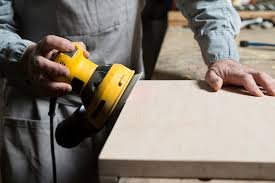
If you’re new to DIY furniture, you may have discovered that sanding takes the longest but is one of the most vital steps. Whether you’re refinishing a dresser, breathing new life into a wooden chair, or restoring a vintage table, a great sander can help you complete the job faster, easier, and more effectively.
In this article, we will provide you with information on the best sanders for furniture, including the type of sander that is best suited for beginners, and offer some tips on achieving professional results at home.
Why You Need a Sander for Refinishing Furniture
When you’re refinishing furniture, sanding is what you do to get the surface ready for paint, stain, or sealer. Without sanding, you’re likely to get a rough finish that may not last long.
A good sander will enable you to:
- Remove scratches, dents, and old finishes down to bare wood
- Prepare a surface for new paint or stain
- Save you hours of hand/electrical/mental toiling
- Get a more uniform, smooth, polished result
For beginners, using a sander allows you to concentrate on the creative side of things — instead of sore arms from metres and metres of hand sanding.
What is a Sander Used For and Why It Matters
The sander is a power tool that is used for rough as well as fine sanding of wood. It can also be used for paint removal, edge polishing, or working in corners, depending on the model.
How it works is important for the best choice of sander will save you time and improve the results. For instance, a random orbital sander is ideal for large flat surfaces, and a detail sander can get into small corners and curves.
The bottom line is that using the right sander is the difference between a “DIY project” and a piece of furniture that looks like it was made by a professional.
How to Choose the Best Sander for Furniture
When selecting a sander for your furniture projects, consider the following:
- Project size – A giant dresser or dining room table requires a higher-powered sander, whereas small furniture can be tackled with a mini sander.
- Surface shape – Round and flat are different, so furniture that is curved or detailed will need a different type of sander.
- Dust collection — Buy sanders that include dust bags or vacuum hookups to help you maintain a clean work area.
- Weight and Comfort – a lightweight model would be ideal if you’ll be working for long hours.
- Budget – Great sanders for beginners are priced between $50 and $150, providing a solid value without going overboard.
What Type of Sander is Best for Furniture?
Various sanders have different functions, and being able to differentiate which one is right for your job will save you time and headache. Here are the different types:
- Random Orbital Sanders: The most versatile choice. Good for big areas and basic sanding.
- Detail or Mouse Sanders: Designed for tight spaces, edges, and corners.
- Belt Sanders: The best choice if you need to strip off heavy layers of paint or thick finishes.
- Palm Sanders: Small and easy to handle, so they are a natural choice for novices.
The Best Brands and Models of Sanders for Furniture
Now, let’s look at some top-rated sanders that are ideal for DIY beginners in the US.
The Heavy-Duty Sander
Best for: Large pieces of furniture, table tops, and peeling thick paint.
Top pick: Makita BO5041K 5-Inch Random Orbit Sander
This unit delivers great control, a potent 3.0-amp motor, and variable speed. Professional-use: Random orbital sanders are suitable for any sanding jobs – coarse through to fine.
The Medium-Duty Sander
Best for: Chairs, cabinets, and side tables for everyday use.
Top pick : DEWALT DWE6423K Random Orbit Sander
A dust-hose-friendly option with a comfortable grip and good dust control. It’s quiet, powerful, and has been a go-to for both pros and beginners!
The Mouse or Detail Sander (Light-Duty Option)
Best for: TEnd of Page 1base corners, tiny furniture, and complex details.
Top pick: BLACK+DECKER BDEMS600 Mouse Detail Sander
With its pointed tip, it can since tip into corners, working well for refinishing drawers, frames, and even small furniture parts.
Comparison Chart: Which Sander Do You Need?
| Type of Sander | Best For | Example Model | Skill Level |
| Heavy-Duty (Random Orbital) | Large furniture, removing thick finishes | Makita BO5041K | Intermediate |
| Medium-Duty (General Use) | Cabinets, tables, chairs | DEWALT DWE6423K | Beginner–Intermediate |
| Light-Duty (Detail) | Corners, small furniture | BLACK+DECKER BDEMS600 | Beginner |
What Kind of Sandpaper Do You Need for Furniture?
Sandpaper is available in a variety of grits – a lower number indicates a rougher grit.
Here’s a quick guide for beginners:
- 80–100 grit: To sand off paint or varnish or if you are sanding down rough wood.
- 120–150 grit: To sand wood smooth before finishing.
- 180–220 grit: For final sanding before painting or staining.
- 320+ grit: For very smooth finishes or between coats.
Always begin with a coarse grit and finish with a fine for best result.
Tips for Using a Sander Effectively
Even the most powerful sander won’t help if you’re using it wrong. Here are some simple tips:
- Don’t press down too hard – Let the sander do the work.
- Sand in slow, even strokes – Don’t stop in one place, as this will create uneven sanding.
- Keep it clean – Empty the bag regularly and change the sandpaper when it becomes blunt.
- Practice on scrap wood – Get a feel for the tool before working on your furniture piece.
- Work in a ventilated area – Sanding creates a fine dust; a mask and eye protection are essential.
FAQs
What is the easiest sander for beginners?
A random orbital sander is the easiest and most versatile option. It’s beginner-friendly and can handle most furniture projects.
Can I sand furniture by hand instead of using a sander?
Yes, you can sand by hand, but it takes longer and the finish won’t be as smooth. Electric sanders allow you to work more quickly and with less effort, particularly on big work pieces.
Do I need different sanders for different projects?
Not necessarily. A good random orbital sander is fine for most jobs, but you might want a small detail sander for corners and edges.
How do I avoid damaging my furniture while sanding?
Use the right grit, keep your movements even, and don’t press too hard on the surface.
Final Thoughts
Refinishing furniture need not be daunting. Having the right sander in your collection can transform a tired, shabbily upholstered chair into something fresh and fashionable once again.
Beginners keep it simple a random orbital sander and a detail sander are all you need for most furniture projects you’ll do around the house. Just remember to slow down, sand with the grain of the wood, and run a piece of fine-grit sandpaper over the top after you’re finished for a smooth, professional finish.
There’s dust in sanding, but sanding well is worth it. Once you get that nice finish, you will be doing DIY for the rest of your life!