
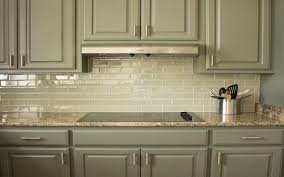
Refinishing your kitchen cabinets can do wonders for one of the most crucial rooms in your house, but the idea of sanding surfaces is enough to make your skin crawl. But it is possible to achieve a fresh, updated look without the mess of sanding with some great painting options. In this post, we’re going to take a look at the best paints for kitchen cabinets that allow you to achieve a great finish while saving you time and effort. If you’re going for a contemporary, sleek look or warm shiplap farmhouse feel, we’ll help you navigate the best choices for durability and style. without sanding. So let’s open the doors on your kitchen cabinets together.
Why Choosing the Right Cabinet Paint Matters
Selecting the correct paint for your cabinets is important for both the look and the durability. Cabinets are the centerpiece of every kitchen and bathroom, and the right color and finish can make the space feel cohesive and really elevate the overall decor. Plus, superior-quality paint creates a long-lasting finish that resists chips, scratches, and fading , so your cabinets will stand up to daily use. Choosing a paint made for cabinetry will also allow you to create a finish that looks smooth and professional, which can help transform a room.
And even the closest you get to perfection, like her, can greatly contribute to how light bounces off surfaces and whether the overall effect is light or bright, or dull. Finally, green choices may also help to improve indoor air quality by limiting VOCs (volatile organic compounds). In the end, the time and consideration spent on choosing the best cabinet paint will be well worth it, not only for the beauty but for the lasting value it adds to your home.
Best Types of Paint for Cabinets Without Sanding
If you want to skip sanding, you’re going to need a paint that can hold on like a dog and give a perfect finish. Here are some of the best paint types for this job:
1. Chalk Paint
Chalk paint is one of the most straightforward beginnings for newbies. It sticks to most surfaces, and you don’t have to sand or prime. Plus, it gives a matte, vintage-inspired finish that you can seal up with wax or a top coat for additional longevity.
Best for: Rustic, farmhouse, or shabby chic kitchens.
2. Milk Paint with Bonding Agent
Milk paint creates a natural, non-toxic finish. When you add a bonding agent to it, it adheres to shiny or sealed surfaces — great for decorating no-sand style. Suitable for: DIYers seeking a subtly textured, antique appeal.
3. Acrylic or Enamel-Based Paints
Acrylic and enamel paints are durable and smooth. They dry hard, resist chipping, and create that “factory” look. Waterborne enamels, in particular, are ideal because they clean up easily and have minimal odor.
Good for: Contemporary streamlined kitchen models.
4. Cabinet-Specific Paints
Lots of manufacturers now have lines of paint designed specifically for cabinets that promise adhesion and durability with no sanding required. These are the top picks for homeowners seeking professional-grade results.
What Makes a True Cabinet Paint? (Understanding Waterborne Alkyd)
A waterborne alkyd paint is a formulation that incorporates the superior qualities of oil-based and water-based paints.
- It provides the hard, smooth surface of traditional oil paints.
- It cleans up with water, dries more quickly, and has fewer fumes.
- It resists yellowing, flaking, and chipping – ideal for kitchen conditions.
Bottom line: waterborne alkyds are what the majority of pros use when they want a long-lasting professional cabinet finish that requires no sanding.
Best Paint Brands for Kitchen Cabinets Without Sanding
Updating your kitchen cabinets this fall? The right paint brand can make all the difference, particularly if you want to skip the sanding step. One of the greatest is the Benjamin Moore Advance, which is extremely adhesive and durable, and which makes for a very exceptional kitchen paint.
Another great contender is cabinet paint Rust-Oleum’s Cabinet Transformations, a two-step system with a bonding primer — great for those who don’t want to sand. Sherwin-Williams’ Emerald Urethane Trim Enamel is also considered the best for smooth application, stain resistance, and scrub ability.
Use Behr’s Alkyd Semi-Gloss Enamel if you want an easy-to-use product that delivers a durable finish while avoiding a bunch of prep. Annie Sloan Chalk Paint is also known for being easy to use and beautiful to look at with a matte finish, for those who like a more distressed, vintage look. These brands don’t just change the look of your kitchen — they also save you a heck of a lot of time and energy.
How to Paint Kitchen Cabinets Without Sanding (Step-by-Step Guide)
Preparation and technique are everything, even without sanding, if you want to have your work look professional.Follow this step-by-step guide:
Materials Needed
- Degreaser or TSP (tri-sodium phosphate) cleaner
- Screwdriver (for doors and hardware removal)
- Painter’s tape
- Drop cloths
- Primer (bonding type - optional)
- High-quality paintbrush or foam roller
- Cabinet paint in your choice Colof our(s)
- Clear topcoat (optional)
Surface Preparation
- Clean Thoroughly:
Remove grease, dust, and residue using a degreaser or mild detergent. This helps paint stick properly. - Remove Hardware:
Remove doors, drawers, and knobs to make painting easier. Tag each part for easier reassembly. - Tape Off Areas:
Protect walls, countertops, and hinges using painter’s tape.
Priming (Optional)
If your cabinets are glossy or have an old varnish on them, apply a bonding primer. This ensures perfect adhesion and durability.
Skip this step only if the paint says “no primer needed.”
Painting Technique (Roll or Spray)
- Brushing/Rolling: Apply with a high-quality synthetic brush or foam roller for best results. Apply in thin coats to prevent drips.
- Spraying: Use a paint sprayer for an exceptional, factory-like finish. Spray on thin layers, letting each dry before applying the next.
Allow each coat to fully dry before applying the next (refer to the paint can for drying times).
Finishing Touches
- Once dry, reattach doors and hardware.
- Apply a clear polyurethane or enamel topcoat for extra protection if desired.
- Allow the cabinets to cure for several days before heavy use.
Visit our website for more information: https://luxurysmagazine.com/
Tips for Getting a Factory-Smooth, Professional Finish
- Use a fine foam roller or spray for fewer brush marks.
- Work in good light so you can see any areas you miss.
- Don’t apply thick coats of paint — multiple thin coats will be smoother and stronger.
- Drying Time for Coats: Proper drying times between applications are necessary to keep from getting tacky.
- Top with a clear coat for professional-grade shine and durability.
Other Things to Consider When Choosing Cabinet Paint
- Sheen: Satin and semi-gloss finishes are the most cleanable and moisture-resistant.
- Color: Whites and light neutrals like cream or light gray help kitchens feel bright and airy.
- Temperature and Humidity: Moderate weather is the best weather to paint in.
- Eco-Friendly Options: Low-VOC paints are better for you and the planet.
Pros and Cons of Painting Without Sanding
Pros:
- Saves time and labor.
- No dust or mess.
- Easier for beginners.
- Works well with modern bonding paints.
Cons:
- May require an extra coat for full coverage.
- Poor prep can cause adhesion issues.
- Slightly less durable than sanded surfaces (if prep is rushed).
When done properly with the right materials, the benefits far exceed the drawbacks.
Favorite Kitchen Cabinet Paint Colors (2025 Trends)
2025 was a year of warm neutrals and earthy hues. Trending Cabinet Colors:
- Soft Sage Green: Soothing, earthy, and classic. Warm Greige:
- A contemporary twist on taupe, combining warm beige with cool grey.
- Navy Blue: Timeless and daring — looks stunning with gold hardware.
- Matte Black: Clean and contemporary, great for a modern kitchen.
- Off White Cream: When in doubt, off white cream is always a safe,
clean and timeless bet. These colors work well with many different countertop, backsplash, and flooring materials.
FAQs
Can I paint over old varnish or gloss without sanding?
Yes, just be sure to clean and use a bonding primer or a high-adhesion paint.
How long will the paint last without sanding?
With proper prep and quality paint, your finish can last 5–10 years easily.
Do I need a topcoat?
It’s optional, but a clear topcoat adds extra durability and helps resist scratches.
What’s the easiest paint for beginners?
Chalk paint or cabinet-specific paints are great starting options.
Can I use regular wall paint?
No, wall paint isn’t tough enough for cabinets — always go for cabinet or trim paint.
Can you paint kitchen cabinets without sanding?
Yes — with the right primer and paint, you can repaint kitchen cabinets without sanding, saving time while still achieving a smooth, long-lasting finish.
What type of paint works best for cabinets without sanding?
Water-based acrylic or alkyd hybrid cabinet paints paired with a high-adhesion bonding primer deliver excellent durability and coverage without the need for sanding.
Conclusion
Painting kitchen cabinets without sanding is an easy and satisfying DIY job. With the proper tools, preparation, and application, you can transform your kitchen with another coat without the mess of sanding.
Whether you opt for chalk paint with rustic charm or waterborne alkyd enamel for a smooth professional finish, the recipe calls for patience and precision. A beautifully painted set of cabinets can brighten the look of your kitchen and add lasting value to your home all while saving you time, money, and energy.