
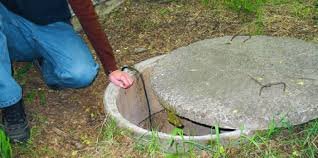
If there’s a septic system beneath your house, you may have found yourself wondering, How often do I need to pump my septic tank? It’s a reasonable question because nobody wants to have their drains back up with messes or smells. The fact is, if you want your septic tank to run efficiently and last for many years, it needs a little TLC regularly. So, let’s dig into how frequently you should pump, what can go wrong if you don’t, and how to maintain your system to keep everything running smoothly.
What Is a Septic Tank?
A septic tank is a buried, home-based waste treatment system that serves houses not hooked up to a public sewer network. It gathers and digests waste from your house — everything that goes down your toilets, sinks, and showers goes here.
Inside the tank, solids settle out at the bottom (referred to as sludge), and oils and fats rise to the top (referred to as scum). The liquid portion from the middle, known as effluent, is dispersed into a drainfield for additional soil treatment. Gradually, the layers of sludge and scume form, and it is time to pump out the tank.
Cost of Septic Tank Emptying
The price for cleaning a septic tank depends on the size of the tank, where you live, and how easy it is to get to. You can expect to pay a professional between $200 and $500, with an average of about $300. Systems that are larger or that haven’t been cleaned in years may be a bit more.
While it may appear as a cost, consider it an investment in your home. Routine pumping can save you from expensive repairs or even system replacement, which can cost you thousands of dollars.
How Many Years Does a Septic Tank Last?
With proper maintenance, a septic tank can endure for 25 to 40 years — even more, in some cases. Its life span is affected by how:
- Material of the tank (concrete, fiberglass, or plastic)
- Quality of installation
- Frequency of pumping and inspection
- Volume of water/waste entering the system
A good cleaning and a good batter make all the difference. On the contrary, when maintenance is neglected, it can greatly reduce how long your tank will last.
Pros and Cons of Septic Tanks
Like any home enterprise, a septic tank is not without its advantages and disadvantages.
Pros:
- They’re more affordable lining term, because you never have to pay a monthly sewer bill.
- Treat wastewater naturally, so it is green.
- Because you are not part of a municipal system, you are responsible for your own maintenance.
Disadvantages:
- Need to be pumped and maintained.
- Neglect or mistreatment can result in foul odors or sewage backups.
- Repairs may be costly if problems are neglected for too long.
The good news? Luckily for you, the majority of the cons can be prevented with easy, routine maintenance.
The Importance of Regular Emptying
Think of your septic tank like a car — it requires regular upkeep to function properly. How often you should pump your tank depends on several factors, including:
- How many people are in your home
- How large is your septic tank
- How much wastewater is produced
If you have a big family, then you may have to pump it out more frequently — perhaps as often as every 2 years. Smaller households can often wait longer between services. Periodic cleaning prevents waste from accumulating and obstructing the system, which helps everything flow smoothly.
What Happens If a Septic Tank Is Not Pumped or Emptied?
Neglecting your septic system can cause a variety of unpleasant and expensive issues. When the layers of sludge and scum become too thick, they are deposited into the pipes and the drain field. This can cause:
- Sewage backs up into your home (no, thank you!)
- Bad smells in the home and in the yard
- Polluted groundwater, which is very unhealthy to drink
- Costly repairs or a complete system replacement
In essence, avoiding septic pumping can turn into a financial and sanitary disaster. Consistent pumping helps to maintain the system’s functionality and safe.
Professional Inspection and Maintenance
Full humanization Submitting. Also, have a professional inspection every 1-3 years, just to be sure, along with draining. During inspection, the technician looks for leaks, cracks, and the level of sludge accumulation. They will also check to make sure the filters, baffles, and drain field are working properly.
Routine professional service not only allows you to identify issues early on, but it could save you thousands in the future by avoiding catastrophic system failures.
Do You Need to Maintain Your Septic Tank After Installation?
Absolutely! Installation is only the beginning. Once your septic system is up and running, it needs ongoing care. Here are some simple ways to keep it in top condition:
- Avoid flushing non-biodegradable items like wipes, diapers, or feminine hygiene products.
- Limit the use of harsh chemicals that can kill the helpful bacteria inside the tank.
- Conserve water — spreading out laundry loads and fixing leaks reduces strain on the system.
- Pump regularly based on the tank’s size and household usage.
Following these small habits can significantly extend your septic tank’s lifespan and performance.
Visit our website for the following information: https://luxurysmagazine.com/
How Far Should a Septic Tank Be From Your House?
The septic tank location is important for safety and service life. In general, a septic tank needs to be placed 10 to 20 feet away from a house, but this can depend on regulations in your area.
The bacterial action of the septic tank is not affected by leaks. If you’re unsure, check with your county’s building department or hire an engineer.
Some People Never Empty Their Septic Tank, and Their System Is Fine
You may listen to tales of people who say they don’t ever get their septic tank pumped and everything works perfectly. Sure, that can happen in a rare instance or two, but it’s not something you should count on.
Why? Because every house is different. Soil type, tank size and water use also influence how quickly a tank fills. Just because one person got lucky doesn’t mean everyone will. Preventive maintenance is the safest and smartest way to avoid unwanted surprises.
FAQs
1. How often do I need to pump my septic tank?
Most households have their septic tanks pumped every three to five years, which depends on how much they use them.
2. What are the symptoms of a septic tank being full?
Slow drains, gurgling noises, unpleasant smells, or standing water in the yard are all typical alerts.
3. Is it possible to clean the septic tank myself?
It is not recommended. Septic tanks harbor deadly gases and bacteria — get a professional to do it.
4. What determines how frequently I need to empty my tank?
How many people live in your home? How large is your tank? And how much wastewater do you generate? These all make a difference.
5. Can I extend the life of my septic tank by getting it pumped regularly?
Yes! Regular pumping and servicing prevent system overloading and premature failure.
Final Thoughts
Your septic tank is one of the most critical components of your home plumbing system — but with a little attention, it can last you for decades. The key is good maintenance: pump every few years, have professional inspections, and treat it kindly.
Consider it a deep cleansing for your home’s subterranean system. This small act saves big money, prevents stress, and keeps your property happy and safe. So, if you can’t remember the last time your septic tank was pumped. Maybe it’s time to make that call.