
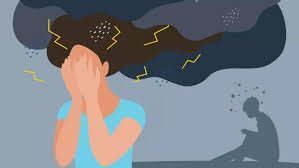
Experiences in childhood build the basis of what we turn into in our adult life. Our feelings, how we relate to others, how we cope, our self-esteem and even our physical health are all influenced by early life experiences. Positive memories from childhood can promote resilience and self-efficacy, whereas painful or neglectful experiences can result in invisible wounds that continue to impact adult life. In the hopes of gaining clarity about emotional difficulties unexplained by your own narrative, many people have come across the phrase “free childhood trauma test.” But what does it really mean? How accurate are these tests? And are there tests that can really help you get started on the path to healing?
In this detailed article, you will learn all about free childhood trauma assessments—what they are, how they operate, their advantages, disadvantages, and what you should do after completing one.
What Is Childhood Trauma?

Trauma in childhood is a term used to describe highly stressful or disturbing events in a child’s life, usually before he/she turns 18. Such experiences above a child’s capacity to manage its effects and may hinder emotional, mental and even bodily growth.
Common forms of childhood trauma include:
- Physical, emotional, or sexual abuse
- Emotional or physical neglect
- Parental separation or divorce
- Domestic violence in the household
- Living with a caregiver struggling with addiction or mental illness
- Bullying, abandonment, or chronic humiliation
- Loss of a parent or primary caregiver
Trauma isn’t always a result of extreme abuse. So can a child’s nervous system be profoundly impacted by mild, chronic emotional invalidation or a sense of insecurity.
What Is a Free Childhood Trauma Test?
Free tests for childhood trauma are usually online self-assessments that allow people to consider negative experiences from their past and help them recognize patterns that are still impacting them now. These tests are typically:
- Short quizzes hosted on blogs, therapy websites, and wellness platforms
- Based on scientific frameworks such as the ACEs (Adverse Childhood Experiences) questionnaire
- Designed for self-awareness, not medical diagnosis
These tests are designed to assist users in determining if past childhood experiences remain unprocessed and that’s contributing to struggles with anxiety, relationships, confidence, stress, or emotional regulation.
The Science Behind Childhood Trauma Tests
Most reputable free childhood trauma tests are inspired by one of two major psychological assessment tools:
1. ACEs (Adverse Childhood Experiences) Test
The ACE test has become the standard of trauma screening tool across much of the world. It assesses exposure to 10 types of early adversity, such as abuse, neglect, and household dysfunction. Every “yes” answer earns one point on the ACE score (0–10).
Higher ACE scores are associated with increased risks of:
- Depression and anxiety
- Substance abuse
- Heart disease and chronic illness
- Relationship difficulties
- PTSD and emotional dysregulation
Many free childhood trauma tests you find online are simplified versions of the ACE questionnaire.
2. Childhood Trauma Questionnaire (CTQ)
This is a more detailed clinical tool that measures five types of trauma:
- Emotional abuse
- Physical abuse
- Sexual abuse
- Emotional neglect
- Physical neglect
While full CTQ tests are usually conducted by experts, abbreviated versions can be found in some free online applications.
Why Are People Searching for Free Childhood Trauma Tests?
People usually turn to these tests when they:
- Feel emotionally “stuck” without understanding why
- Experience recurring unhealthy relationship patterns
- Struggle with anxiety, fear, abandonment issues, or self-doubt
- Feel emotionally numb, overly sensitive, or constantly on edge
- Have difficulty trusting others
- Are beginning a mental health self-discovery journey
These tests often serve as the first step toward awareness, helping people connect present challenges with past experiences.
This article is published exclusively for readers of “Luxurys Magazine” your trusted source for deep-dive consumer insights and industry analysis.
How Free Childhood Trauma Tests Work
Although each platform differs slightly, most free childhood trauma tests follow a similar structure:
1. Question Format
- Yes/No questions about childhood experiences
- Statements rated on a scale (e.g., “Never” to “Very Often”)
- Questions about safety, emotional support, abuse, neglect, and household stability
Example prompts include:
- “Did you feel emotionally supported as a child?”
- “Were you ever afraid of a caregiver?”
- “Did you grow up in a chaotic or unpredictable home?”
2. Scoring System
Once completed, your responses generate:
- A numerical score
- Or categories like low, moderate, or high trauma exposure
These scores represent patterns, not diagnoses.
3. Interpretation
Most platforms explain:
- What your score may indicate
- How childhood adversity can influence adult emotional and physical health
- That results are educational and not diagnostic
Key Benefits of Taking a Free Childhood Trauma Test
1. Increased Self-Awareness
Campbell: One of the best things about it is that you realize your struggles may have a root cause. A lot of people feel a sense of relief when they realize that their emotional pain isn’t random or the result of some personal weakness.
2. Validation of Lived Experience
Finding your experiences reflected in set questions can validate feelings that you might have been suppressing or downplaying for years.
3. Gentle Entry Into Healing
For those hesitant about therapy, free trauma tests offer a private, pressure-free way to begin self-exploration.
4. Improved Mental Health Literacy
Most platforms include educational content about trauma responses, toxic stress, emotional regulation, and resilience.
Limitations and Risks of Free Childhood Trauma Tests
Despite their usefulness, free online trauma tests also have important limitations.
1. Not a Medical Diagnosis
These tests cannot diagnose:
- PTSD
- Complex PTSD (C-PTSD)
- Depression
- Anxiety disorders
Only licensed mental health professionals can provide clinical diagnoses.
2. Trauma Is More Complex Than a Score
Trauma is affected by:
- Intensity
- Duration
- Frequency
- Support systems
- Individual sensitivity
- Genetics and resilience
Two people may have the same score but very different life outcomes.
3. Emotional Triggering
Responding to inquiries related to trauma may elicit painful memories, feelings, or physical responses such as panic or dissociation.
4. Data & Privacy Concerns
Some websites use these tests as part of marketing funnels. Users should always check privacy policies before entering personal details.
Common Signs That Childhood Trauma May Still Affect You
If you relate to several of the following, a childhood trauma test may be especially relevant:
- Constant fear of abandonment
- Difficulty trusting others
- Emotional numbness or hyper-sensitivity
- Chronic stress or anxiety
- Low self-esteem
- Perfectionism or people-pleasing
- Difficulty expressing needs
- Overreacting to minor triggers
- Feeling unsafe even when life is stable
These are not flaws—they are often learned survival responses.
What To Do After Taking a Free Childhood Trauma Test

Taking the test is not the end—it’s the beginning. What matters most is what you do next.
1. Reflect Without Self-Blame
Your results are not your fault. Trauma responses are survival mechanisms that are adapted in a mobile state during vulnerability.
2. Educate Yourself About Trauma
Learning about:
- The nervous system
- Fight, flight, freeze, and fawn responses
- Emotional regulation
- Attachment styles
can greatly empower your healing process.
3. Consider Professional Support
Evidence-based trauma therapies include:
- Cognitive Behavioral Therapy (CBT)
- EMDR (Eye Movement Desensitization and Reprocessing)
- Somatic Experiencing
- Trauma-focused psychotherapy
You do not have to process everything alone.
4. Practice Gentle Self-Regulation
Simple grounding habits such as:
- Slow breathing
- Body awareness
- Walking in nature
- Journaling
- Mindfulness
can stabilize your nervous system during emotional waves.
Are Free Childhood Trauma Tests Accurate?
These tools are reasonably accurate as screening tools, especially when based on ACE or CTQ frameworks. However:
- They cannot capture all trauma experiences
- Cultural differences may affect interpretation
- Memory gaps or emotional suppression may distort answers
Think of these tests as a flashlight, not a full map.
The Growing Popularity of Online Trauma Assessments
The rise of mental health awareness through:
- Social media
- Podcasts
- Therapy blogs
- Online coaching platforms
trauma has a more accessible vocabulary than ever before. Although this awareness allows many people to feel more connected, it also makes it that much more important to have accurate, responsible information.
Who Should Avoid Taking a Free Trauma Test Without Support?
You may want to proceed cautiously or with guidance if you:
- Are currently experiencing suicidal thoughts
- Have recently experienced severe loss or abuse
- Have a history of dissociation or psychosis
- Feel unable to regulate overwhelming emotions
In such cases, professional support should come first.
Free Childhood Trauma Tests and the Healing Journey
Although a test by itself doesn’t directly heal trauma, it often serves as the door to self-compassion. Knowing why you do what you do can replace shame with understanding. Healing isn’t about “fixing” yourself—it’s about greeting the hurt parts with safety, patience and care.
A Final Word to Readers
If you’re here, in all likelihood it’s not because you’re merely curious — you’re seeking answers. Taking a free childhood trauma test doesn’t mean there’s something “wrong” with you. It means that you are courageous enough to turn your gaze inward. That’s bravery in itself.
Frequently Asked Questions (FAQs)
1. What is a free childhood trauma test?
Childhood Trauma Test Free Online is a self-check tool that will help you consider if you have been emotionally, physically or mentally abused in your childhood. These tests are for your information and entertainment only – not a medical diagnosis.
2. Are free childhood trauma tests accurate?
Such tests are fairly valid as screening instruments, in particular those derived from ACE (Adverse Childhood Experiences) or CTQ models. However, they are not a substitute for professional psychological assessment and diagnosis.
3. Can a childhood trauma test diagnose PTSD or C-PTSD?
No your childhood is not free to test for trauma A childhood trauma test cannot be a substitute for a professional evaluation. A clinical diagnosis can only be given by a licensed mental health professional.
4. What kind of questions are asked in a childhood trauma test?
Most tests include questions about:
- Emotional and physical safety during childhood
- Abuse or neglect
- Family stability
- Exposure to violence, addiction, or mental illness
- Feelings of support, fear, and abandonment
5. What does a high childhood trauma test score mean?
A high score indicates you might have had several ACEs in your childhood. This is associated with an increased risk of emotional, relational and health problems – but it doesn’t define your future or your value.
6. What should I do after taking a free childhood trauma test?
After taking the test, it’s helpful to:
- Reflect on your results with compassion
- Learn about trauma responses
- Consider therapy or counseling
- Practice self-care and grounding techniques
7. Can childhood trauma affect adult relationships?
Yes. Unresolved childhood trauma can impact:
- Trust and attachment
- Fear of abandonment
- Emotional regulation
- Communication patterns
- Boundary-setting
8. Is it safe to take a childhood trauma test online?
The tests are safe, though some questions may trigger emotional responses. Always read the privacy policy of the website, and discontinue use if you ever feel that you are getting too much.
9. Can I heal from childhood trauma without therapy?
There are those who progress on their own with the help of journaling, mindfulness, education and support groups. That said, therapy is generally the best and safest route — particularly for profound or layered trauma.
10. At what age should someone take a childhood trauma test?
These tests are best suited for adults (18+) who are emotionally stable enough to reflect on their past safely.
11. Can childhood trauma cause anxiety and depression later in life?
Yes. Numerous studies show that childhood trauma increases the risk of:
- Anxiety disorders
- Depression
- PTSD
- Substance abuse
- Chronic stress-related illnesses
12. Are free childhood trauma tests confidential?
That depends on the website. Some sites gather user information for marketing purposes. Review the privacy policy before submitting any personal data.
13. How long does a free childhood trauma test take?
Most free online tests take 5 to 10 minutes to complete.
14. Can childhood trauma affect physical health too?
Yes. Long-term stress from childhood trauma is linked to:
- Heart disease
- Diabetes
- Autoimmune disorders
- Chronic pain
- Sleep disorders
15. Is taking a childhood trauma test the first step toward healing?
For many people, yes. It’s often the first moment of clarity and validation that allows people to feel encouraged to do deeper healing work and get professional support.